

A ring can become one of the most recognizable parts of someone’s appearance, carrying personal meaning while complementing their everyday clothing choices. Unlike accessories that change with seasonal trends, certain rings remain part of an individual’s style for years, gradually becoming associated with their identity. Black Friday Ring Sale on Halo Liscensed Wedding Bands reflects how specific designs and purchasing trends introduce different options into the wider world of men’s jewellery. The choice of metal, finish, shape, and decorative details can influence whether a ring creates a subtle accent or a more noticeable statement. Understanding these elements offers a closer look at how men’s rings develop into lasting expressions of personal style.
Why Material Choices Communicate Different Styles
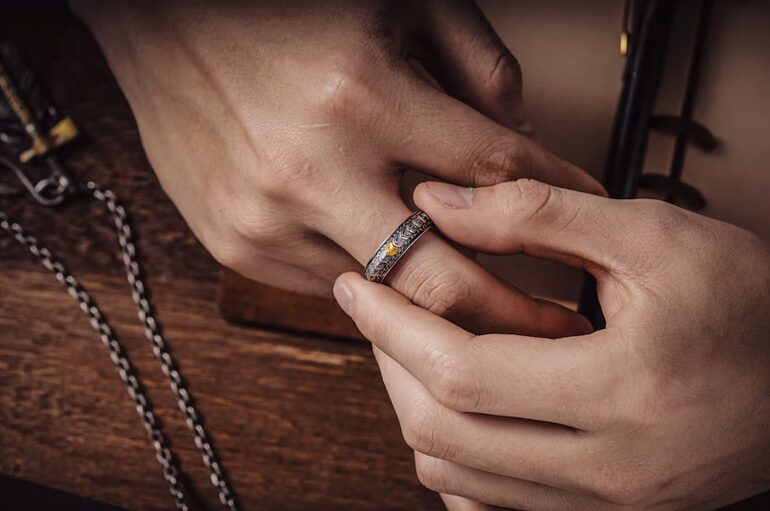
A ring’s material influences how it is perceived and how it relates to other accessories. Gold often creates a traditional and noticeable appearance, while silver and stainless steel can produce cooler, more understated visual effects. Alternative materials such as titanium and tungsten introduce different textures, weights, and finishes. Some men prefer polished surfaces because they reflect light and create a more formal impression. Others choose brushed, matte, or darkened finishes that appear less reflective. Material selection also influences how a ring ages through regular use. Scratches, surface changes, and natural wear can gradually become part of its appearance, making the accessory feel more personal over time.
How Ring Designs Reflect Individual Preferences
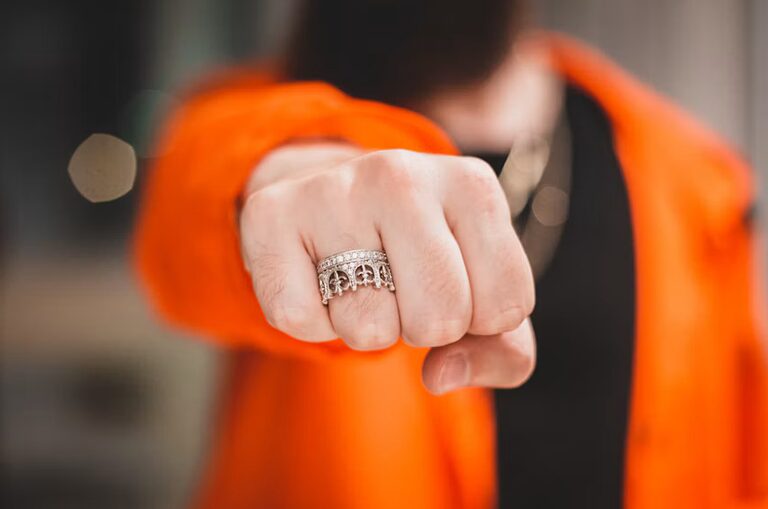
The shape, size, and decorative details of a ring can reveal individual preferences more clearly than its material alone. Narrow bands generally create a restrained appearance, whereas wider designs occupy more visual space and may become a prominent feature of an outfit. Signet rings introduce another dimension through engraved surfaces, distinctive faces, and traditional associations. Some designs incorporate gemstones, geometric patterns, or contrasting materials, while others rely on uncomplicated forms. These differences allow rings to reflect preferences for traditional craftsmanship, contemporary design, minimalism, or more expressive accessories. Even relatively small design decisions can influence whether a ring appears subtle, decorative, formal, or unconventional.
The Relationship Between Rings and Personal Identity
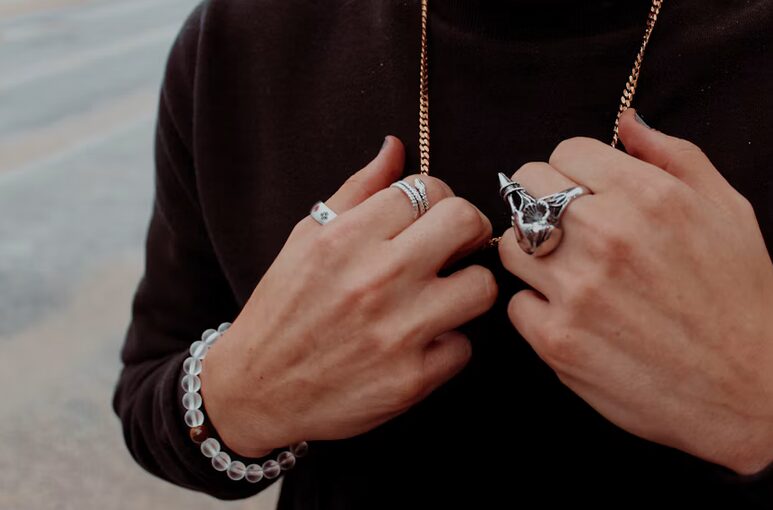
Beyond appearance, rings can become associated with personal experiences, relationships, and important stages of life. A wedding band may represent a lasting commitment, while an inherited ring can preserve a connection to family history. Other rings may commemorate achievements, friendships, or meaningful events. These associations can influence how frequently an individual wears a particular piece and how much significance it holds within their overall appearance. Over time, a ring may become recognizable as part of someone’s everyday presentation. Its importance can therefore extend beyond its design or monetary value, developing through repeated use and the personal meaning attached to it.
Men’s rings can define personal style through their materials, proportions, decorative features, and individual significance. Their lasting appeal comes from combining visual expression with personal meaning in a relatively small accessory.